
ഉൽപ്പന്നം കഴിഞ്ഞുview
The Browin 411206 Microbial Liquid Rennet is a natural enzymatic preparation containing chymosin (97%) and pepsin (3%) derived from calf abomasum. This product is designed to facilitate the coagulation of milk, making it suitable for producing various types of homemade cheeses, including both fresh and aged varieties. It is effective with fresh cow's milk (including low-pasteurized milk up to 74°C), goat's milk, and sheep's milk. The liquid form allows for easy and precise dosing without the need for weighing.
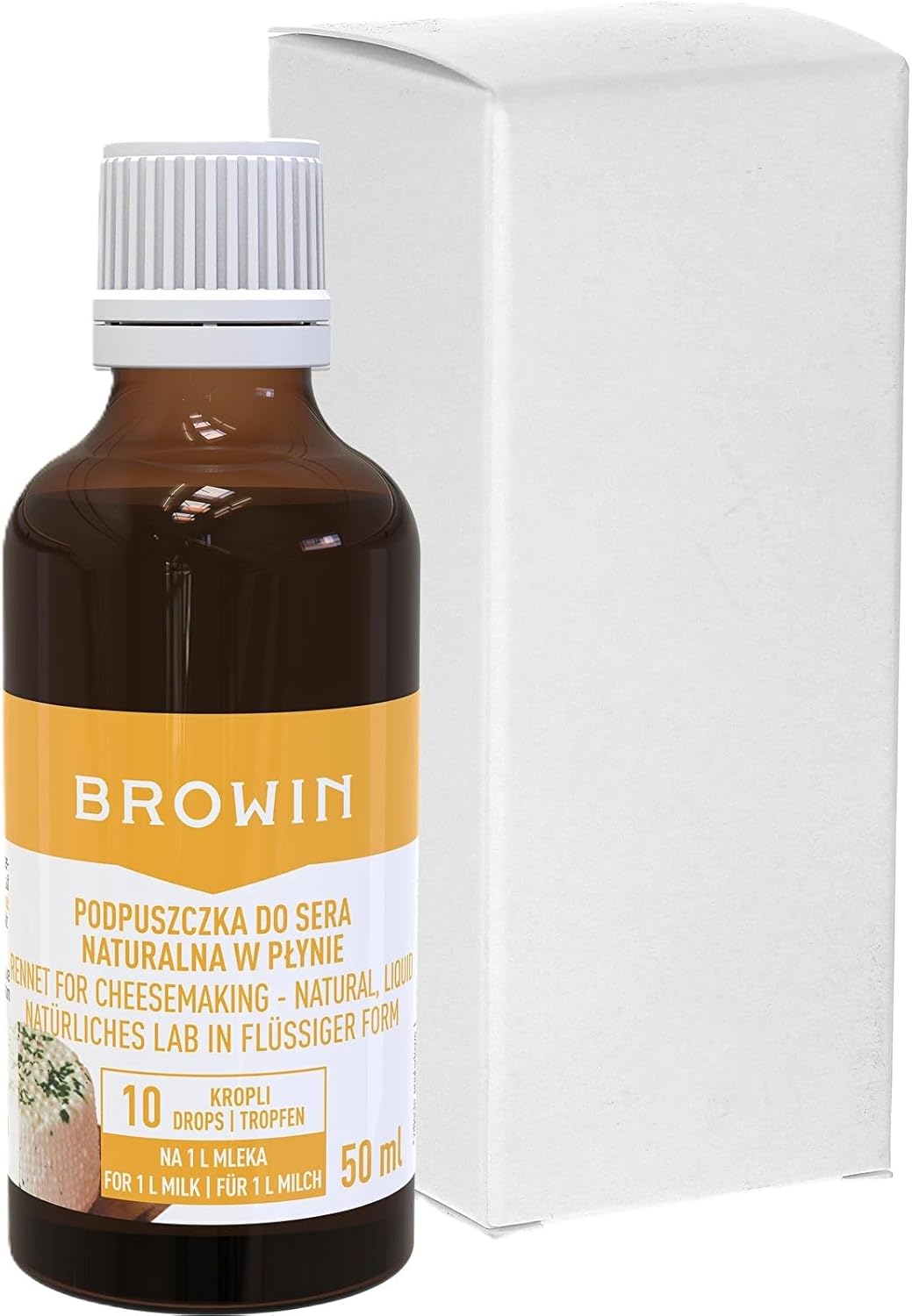
Figure 1: Browin 411206 Microbial Liquid Rennet 50 ml bottle.
തയ്യാറാക്കലും സജ്ജീകരണവും
Before using the rennet, ensure all equipment is clean and sanitized. The optimal pH for rennet activity in milk is between 6 and 7. It is highly recommended to add calcium chloride (CaCl2) to the milk prior to rennet addition, especially when using pasteurized milk, as it enriches the milk, improves cheese yield, and enhances rennet activity.
- Calcium Chloride Addition: Add calcium chloride (CaCl2) in a quantity of approximately 1-10 grams per 10 liters of milk, depending on the type of cheese being prepared.
- Milk Temperature: Heat the milk to a temperature between 35-38°C (95-100.4°F). Use a thermometer to accurately monitor the temperature.

Figure 2: Preparing milk for rennet addition, ensuring correct temperature with a thermometer.
പ്രവർത്തന നിർദ്ദേശങ്ങൾ
- പാൽ തയ്യാറാക്കുക: Ensure milk has been treated with calcium chloride (if necessary) and heated to 35-38°C (95-100.4°F) as described in the "Preparation and Setup" section.
- Measure Rennet: Calculate the required dose of rennet based on the quantity of milk. The recommended dosage is 8-20 drops (approximately 0.4 mL - 0.95 mL) per 2 liters of milk.
- Dilute Rennet: Before adding to the milk, dilute the measured rennet in 50 ml of water.
- Add Rennet to Milk: At the appropriate time, according to your specific cheese recipe, add the diluted rennet to the milk that has been heated to 35-38°C.
- Mix Gently: Stir the milk and rennet mixture gently but thoroughly to ensure even distribution.
- Curd Formation: Cover the pot and allow the milk to rest undisturbed for approximately 15-40 minutes, or until a firm curd has formed. The exact time may vary depending on the milk type and desired cheese.

Figure 3: Measuring the precise amount of liquid rennet before dilution and addition to milk.
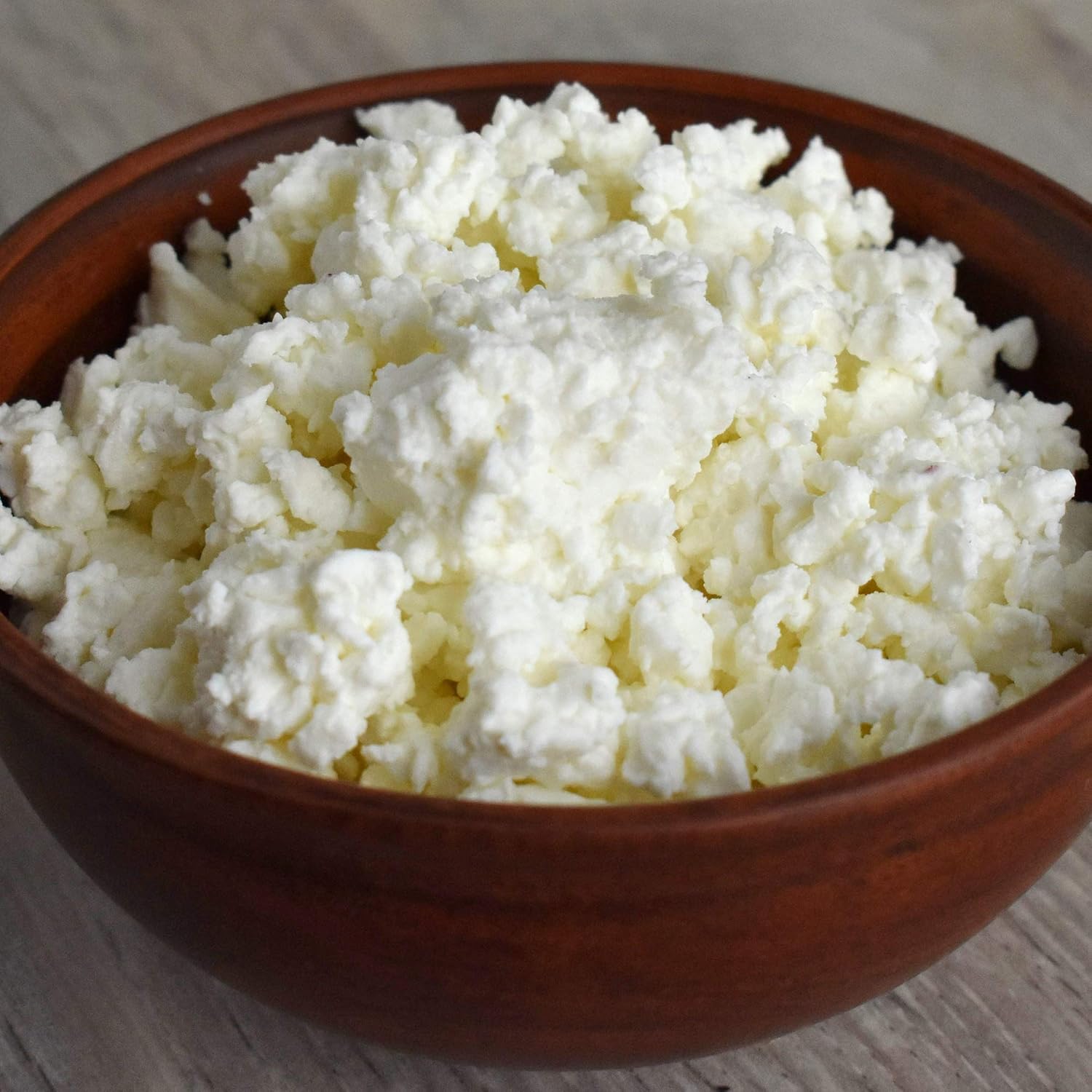
Figure 4: Freshly formed cheese curds, indicating successful rennet activity.

Figure 5: Hands placing two small, round cheeses onto a metal rack for drying or smoking.

Figure 6: Two round cheeses, one whole and one with a slice cut, seasoned with herbs and spices, on a wooden board.
സംഭരണവും പരിപാലനവും
To maintain the activity and effectiveness of the Browin Microbial Liquid Rennet, it is crucial to store it correctly.
- സംഭരണ താപനില: Store the product tightly closed in a refrigerator at a temperature between 4-8°C (39-46°F).
- ഷെൽഫ് ലൈഫ്: Refer to the product packaging for the specific expiration date. Proper storage ensures maximum shelf life.
ട്രബിൾഷൂട്ടിംഗ്
If you encounter issues with milk coagulation, consider the following common causes and solutions:
- No Curd Formation or Weak Curd:
- Incorrect Milk Temperature: Ensure the milk temperature is within the optimal range of 35-38°C. Temperatures above 40°C can denature the enzymes in the rennet, rendering it ineffective.
- Lack of Calcium Chloride: Pasteurized milk often has reduced calcium content, which is essential for proper curd formation. Adding calcium chloride (1-10g per 10L of milk) can significantly improve coagulation.
- Type of Milk: Highly processed or ultra-pasteurized (UHT) milk may not coagulate effectively even with rennet and calcium chloride due to changes in protein structure. Fresh, raw, or lightly pasteurized milk is recommended.
- Incorrect pH: The optimal pH for rennet activity is between 6 and 7. If the milk is too acidic or alkaline, coagulation may be inhibited.
- Expired or Improperly Stored Rennet: Always check the expiration date and ensure the rennet has been stored correctly in the refrigerator.
- Bottle Leakage:
- If the product bottle arrives damaged or leaking, contact the retailer for a replacement. This is typically a packaging issue and not indicative of product quality.
ഉൽപ്പന്ന സവിശേഷതകൾ
| ബ്രാൻഡ് | Browin |
| മോഡൽ നമ്പർ | 411206 |
| ഉൽപ്പന്ന തരം | Microbial Liquid Rennet |
| വോളിയം | 50 മില്ലി |
| പ്രവർത്തനം | 1:10,000 U |
| ശേഷി | 105 - 260 liters of milk (per 50 ml bottle) |
| ചേരുവകൾ | Natural calf rennet, salt, preservative: sodium benzoate |
| സംഭരണ താപനില | 4-8°C (39-46°F) |
| യൂണിറ്റ് എണ്ണം | 50.0 മില്ലി ലിറ്റർ |
| ഇനത്തിൻ്റെ ഭാരം | 117 ഗ്രാം |
| അളവുകൾ | 6.3 സെ.മീ x 4.4 സെ.മീ x 10.2 സെ.മീ |
| മാതൃരാജ്യം | ഇറ്റലി |
വാറൻ്റി വിവരങ്ങൾ
Specific warranty details for the Browin 411206 Microbial Liquid Rennet are not provided in the available product information. For warranty-related inquiries, please refer to the product packaging or contact the manufacturer directly.
ഉപഭോക്തൃ പിന്തുണ
For further assistance, questions, or detailed cheese recipes, please visit the official Browin website or consult the contact information provided on the product packaging. Always refer to specific cheese recipes for precise instructions on rennet usage, as requirements can vary.