
1. ആമുഖം
This manual provides detailed instructions for the setup, operation, and maintenance of your AOSHIDA Gustard DAC-R26II Network Streaming DAC. Please read this manual thoroughly before using the device to ensure proper functionality and to maximize your audio experience.
The Gustard DAC-R26II is a high-performance 26-Bit R2R Digital-to-Analog Converter with integrated network streaming capabilities, supporting a wide range of digital audio formats and inputs for a versatile home audio setup.
2. സജ്ജീകരണം
2.1. പാക്കിംഗ് ലിസ്റ്റ്
താഴെ ലിസ്റ്റ് ചെയ്തിരിക്കുന്ന എല്ലാ ഇനങ്ങളും നിങ്ങളുടെ പാക്കേജിൽ ഉൾപ്പെടുത്തിയിട്ടുണ്ടെന്ന് ഉറപ്പാക്കുക:
- Main Unit (Gustard DAC-R26II)
- വാറൻ്റി കാർഡ്
- ദ്രുത ആരംഭ ഗൈഡ്
- പവർ കോർഡ്
- USB കേബിൾ
- റിമോട്ട് കൺട്രോൾ
- ബ്ലൂടൂത്ത് ആൻ്റിന

Figure 2.1: Contents of the Gustard DAC-R26II package.
2.2. അൺബോക്സിംഗും പ്രാരംഭ പരിശോധനയും
Carefully unbox your DAC-R26II and inspect all components for any signs of damage. The following video demonstrates the unboxing process:
Video 2.2: Unboxing the Gustard DAC-R26II, showing the main unit and included accessories.
2.3. Front Panel Introduction
The front panel of the DAC-R26II features controls and a display for easy operation:

ചിത്രം 2.3: മുൻഭാഗം view of the Gustard DAC-R26II.
- പവർ ബട്ടൺ: Switches between Standby and Operation states. The unit remains in standby when the rear power switch is on.
- ഡിസ്പ്ലേ സ്ക്രീൻ: Shows the current input channel, encoding format, and sampling rate. Displays menu items when entering the settings menu.
- വോളിയം ഡിസ്പ്ലേ: Ranges from -90dB to 00dB. "FIXED" indicates fixed volume output (bypass). Displays options when in the settings menu.
- Setting/Volume Button (-): Typically used to decrease volume. In the menu interface, it is used to switch options.
- Menu/Input Button (⚙️): Short press to switch input selection; Long press to enter or exit the menu; Short press within the menu to toggle items.
- Volume Button (+): Typically used to increase volume. In the menu interface, it is used to switch options.
2.4. Rear Panel Interface
The rear panel provides various input and output connections:
Figure 2.4: Rear panel connections of the Gustard DAC-R26II.
- XLR Right (Balanced) / XLR Left (Balanced): Balanced analog audio outputs.
- RCA Right (Single-Ended) / RCA Left (Single-Ended): Single-ended analog audio outputs.
- LAN (Network Input): RJ45 port for network streaming.
- USB: ഒരു കമ്പ്യൂട്ടറിലേക്ക് കണക്റ്റുചെയ്യുന്നതിനുള്ള യുഎസ്ബി ഇൻപുട്ട്.
- IIS Input (HDMI format): High-quality digital input.
- ഏകോപന ഇൻപുട്ട്: S/PDIF coaxial digital input.
- AES/EBU Digital Input: Professional digital audio input.
- ഒപ്റ്റിക്കൽ ഇൻപുട്ട്: S/PDIF optical digital input.
- 10MHz Clock Input (BNC): External clock synchronization input.
- Firmware Update Port (UPDATE): For device firmware updates.
- ബ്ലൂടൂത്ത് ആന്റിന: Connection point for the included Bluetooth antenna.
- വാല്യംtagഇ സെലക്ടർ: Switch for 115V or 230V AC power.
- ഫ്യൂസ്: Power fuse compartment.
- എസി പവർ ഇൻപുട്ട്: IEC power inlet.
- വൈദ്യുതി സ്വിച്ച്: മെയിൻ പവർ ഓൺ/ഓഫ് സ്വിച്ച്.
മുന്നറിയിപ്പ്: When operating the voltage selector, ensure both switches are set to the same voltage (110V or 220V) matching your local power supply. Failure to do so will damage the internal transformer upon power-up.
3. പ്രവർത്തന നിർദ്ദേശങ്ങൾ
3.1. Display Screen Introduction
The R26II utilizes a large OLED display to provide real-time status and functional information.

ചിത്രം 3.1: ഓവർview of the DAC-R26II display screen.
- ഇൻപുട്ട് ചാനൽ: Indicates the currently selected input (e.g., COAX, AES, OPT, USB, IIS, BT, Streamer).
- എൻകോഡിംഗ് ഫോർമാറ്റ്: Shows the audio encoding format (e.g., PCM, DSD).
- Sampലിംഗ് നിരക്ക്: നിലവിലെ എസ് കാണിക്കുന്നുampling rate (e.g., 44.1kHz, 192kHz, DSD256).
- വോളിയം: Shows the current volume level or "FIXED" for bypass mode.
- ബാഹ്യ ക്ലോക്ക്: Indicates if an external 10MHz clock is detected.
3.2. Input Channel Selection
The R26II has 7 input channels. In the main screen state, short press the Menu/Input button (⚙️) to cycle through input selections: COAX, AES, OPT, BT, USB, Streamer, IIS.
3.3. Volume Regulation
In the main screen state, use the +/- buttons to adjust the analog volume attenuation. The volume range is -90dB to 00dB (Total 90 steps). In "FIXED" mode, the volume is at 00dB. Increasing it further enters Fixed Output Mode (Volume Bypass). Decrease volume to exit FIXED mode.
3.4. ക്രമീകരണ മെനു
To enter the settings menu, long press the Menu/Input button (⚙️). Use the +/- buttons to adjust the currently selected option. Long press the Menu/Input button again to return to the main display.
Menu Items Overview:
- PCM FILTER: PCM Digital Filter Adjustment
- DSD DIRECT: DSD Direct Mode
- NOS MODE: PCM NOS (Non-Oversampling) Mode
- REF CLOCK: Reference Clock Source Selection
- IIS MODE: IIS Pin Sequence Configuration
- ഘട്ടം: Analog Output Phase Control
- പ്രദർശിപ്പിക്കുക: സ്ക്രീൻ തെളിച്ചം
- സ്റ്റാൻഡ് ബൈ: Standby Mode Behavior
3.4.1. PCM FILTER (PCM Digital Filter Adjustment)
The R26II features a high-performance built-in PCM upsampler with 3 operation modes:
- വേഗം: High-speed mode, detailed high-frequency information. (Default)
- ഇടത്തരം: Medium-speed mode, balanced sound. (Recommended)
- പതുക്കെ: Low-speed mode, soft listening experience.
3.4.2. DSD DIRECT (DSD Direct Mode)
- പ്രവർത്തനരഹിതമാക്കുക: Turns off direct mode. (Default)
- പ്രവർത്തനക്ഷമമാക്കുക: Turns on direct mode.
When enabled, the DSD signal bypasses the DSD-to-PCM conversion and is sent directly to the dedicated 1-bit architecture decoding circuit. This allows original DSD signals (upsampled via PC/software) to be processed natively, potentially offering higher sound quality.
Note: Enabling this may cause a "click" sound when switching between different sampling formats.
3.4.3. NOS MODE (PCM Non-Oversampലിംഗ് മോഡ്)
- പ്രവർത്തനരഹിതമാക്കുക: (സ്ഥിരസ്ഥിതി)
- പ്രവർത്തനക്ഷമമാക്കുക:
Bypasses internal PCM filters, sending the original PCM signal directly to the R-2R decoding matrix. This mode is ideal for users who use high-performance software (like HQPlayer) to perform formats that may cause a click sound in this mode.
3.4.4. REF CLOCK (Reference Clock Source Selection)
The R26II uses the GUSTARD-GCLK-02 synthesizer for ultra-low noise and jitter. Its synthesized clock achieves ultra-low jitter performance at the femtosecond level, while simultaneously preserving the near-end performance of the reference clock. Thanks to the high-precision divider, the frequency accuracy of its synthesized audio clock reaches the ppb level. As a result, the main clock for most of the digital processing circuits built into the R26II is also synthesized by the GCLK-02.
REF CLOCK options:
- ആന്തരികം: Uses the internal femtosecond clock. (Default)
- EXT.10MHz: Selects an external 10MHz reference source.
Note: If "EXT" is selected but the clock is lost or deviates > ±150ppm, "EXT ERR" will be displayed.
3.4.5. IIS MODE (IIS Pin Sequence Configuration)
The IIS input over HDMI supports PCM and DSD automatically. No flag signal is needed. There are four pin sequence modes available to match different source devices.
- MODE1 (Gustard): Standard Gustard definition. Matches Gustard U16, U18, S16, etc. (Default)
- MODE2 / MODE3 / MODE4: Alternative pin definitions.
IIS Pinout Diagrams (refer to original manual for detailed diagrams if needed, but for this output, I'll just list the modes).
3.4.6. PHASE (Analog Output Phase Control)
- Non-inverted: RCA Positive Phase / XLR American Standard (1GND, 2 Hot, 3 Cold). (Default)
- വിപരീതം: RCA Inverted Phase / XLR Japanese/European Standard (1GND, 2 Cold, 3 Hot).
3.4.7. DISPLAY (Screen Brightness)
- സ്വയമേവ: Automatically dims the screen. (Default)
- AUTO ALL OFF: Automatically turns off screen and buttons.
- AUTO DISPLAY OFF: Automatically turns off the screen only.
Note: The screen will wake up momentarily when the sampling rate or format changes.
3.4.8. STANDBY (Standby Mode Behavior)
- മാനുവൽ: The unit enters standby when AC power is connected; requires pressing the power button to turn on. (Default)
- സ്വയമേവ: The unit turns on automatically when AC power is connected.
3.5. റിമോട്ട് കൺട്രോൾ
The R26II is equipped with a new brand remote controller. This remote can also control other types of products from Gustard. Hold the DAC button for 3+ seconds to enter the DAC control mode.
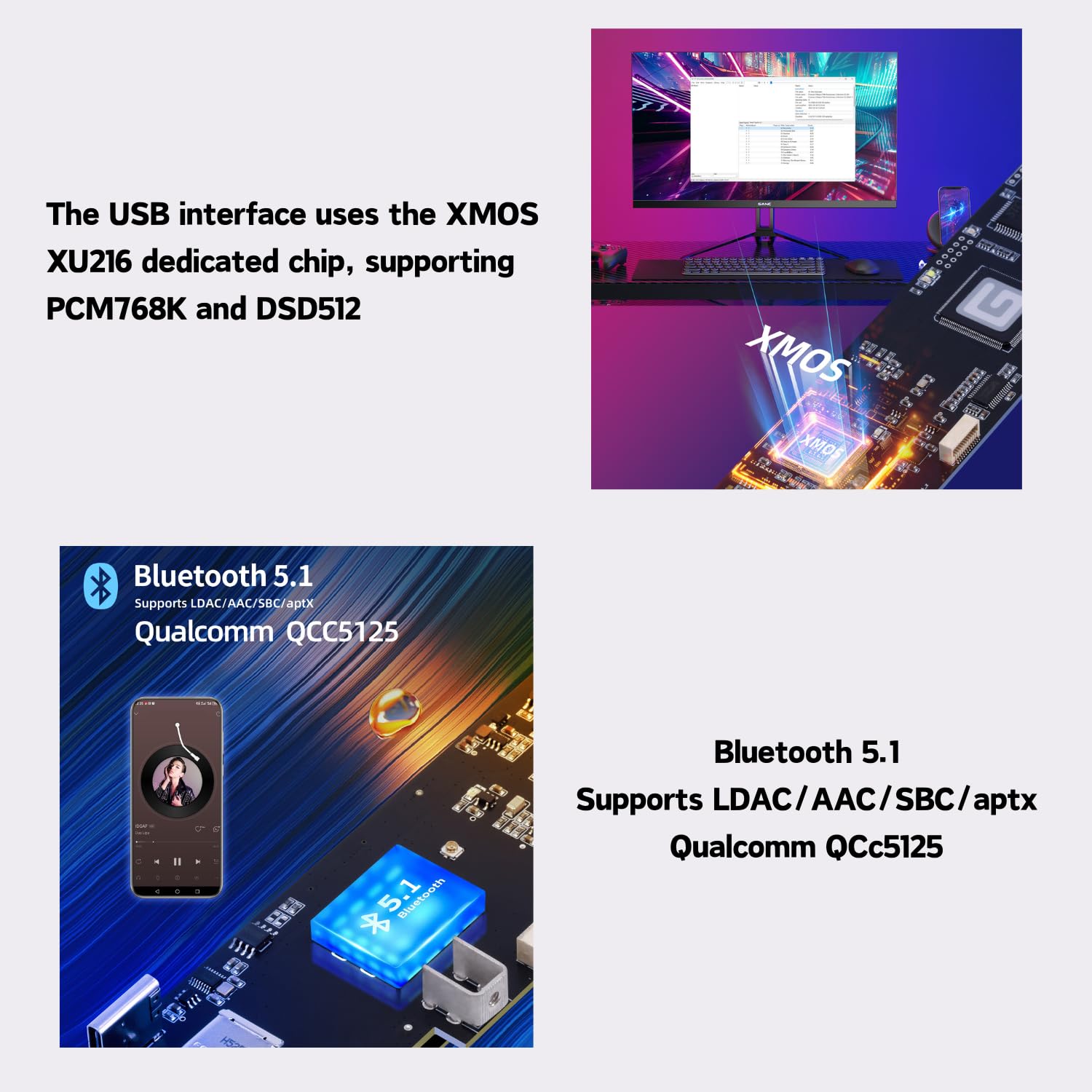
Figure 3.5: Gustard DAC-R26II Remote Control.
- സ്റ്റാൻഡ്ബൈ ബട്ടൺ: Toggles between Operation and Standby. Wake up the screen in standby mode.
- മെനു: Enter function settings.
- ദിശാസൂചന പാഡ്:
- Up/Down: Switch function.
- Left/Right: Adjust options.
- Center: Unmute / Mute.
- മടങ്ങുക: പ്രധാന സ്ക്രീനിലേക്ക് മടങ്ങുക.
- VOL - / VOL +: വോളിയം ക്രമീകരിക്കുക.
- DAC / AMP / STREAM Buttons: Used to select the device type the remote controls. Hold the respective button for 5 seconds to switch modes.
- DAC: Used to control decoder products (e.g., X18, R26).
- AMP: Used to control amplifiers (e.g., H16, P26).
- സ്ട്രീം: Used to control streamer products.
ജാഗ്രത:
- കോണിനെ ആശ്രയിച്ച് പ്രവർത്തന ദൂരം വ്യത്യാസപ്പെടുന്നു.
- The remote control may not function properly if there are objects between the remote control and the sensor.
- Remove the batteries if the remote control will not be used for an extended period (one month or longer).
- If the battery leaks, thoroughly clean all residue from the battery compartment and install new batteries.
- Using this remote control may cause malfunctions in other devices controlled by infrared signals.
3.6. Streamer Usage (Network Bridge)
The R26II includes a network bridge for streaming audio. Follow these steps to use the streamer function:
- Connect the R26II to your LAN via the RJ45 port.
- Select the Streamer input channel on the DAC.
- Wait for the system to boot (approximately 1 minute). The screen will show "DSD 24.5M" or similar.
- Open a browser on a device in the same LAN and visit: http://r26.local.
- ൽ web interface, you can enable/disable protocols (AirPlay, Roon Bridge, UPnP, HQPlayer NAA, Spotify) to optimize performance.
- Firmware updates for the bridge are also handled via this web പേജ്.

Figure 3.6: Network Bridge System web interface for protocol management.
4. പരിപാലനം
To ensure the longevity and optimal performance of your Gustard DAC-R26II, follow these maintenance guidelines:
- വൃത്തിയാക്കൽ: Use a soft, dry cloth to clean the exterior of the unit. Avoid using liquid cleaners, aerosols, or abrasive materials, as they may damage the finish.
- വെൻ്റിലേഷൻ: Ensure the unit is placed in a well-ventilated area. Do not block the ventilation openings.
- ശക്തി: യൂണിറ്റ് ദീർഘനേരം ഉപയോഗിക്കുന്നില്ലെങ്കിൽ, വാൾ ഔട്ട്ലെറ്റിൽ നിന്ന് പവർ കോർഡ് വിച്ഛേദിക്കുക.
- പരിസ്ഥിതി: യൂണിറ്റിനെ തീവ്രമായ താപനില, ഈർപ്പം അല്ലെങ്കിൽ നേരിട്ടുള്ള സൂര്യപ്രകാശം എന്നിവയിൽ എത്തിക്കുന്നത് ഒഴിവാക്കുക.
5. പ്രശ്നപരിഹാരം
If you encounter issues with your DAC-R26II, refer to the following common troubleshooting steps:
- ശക്തിയില്ല:
- പവർ കോർഡ് യൂണിറ്റിലേക്കും വാൾ ഔട്ട്ലെറ്റിലേക്കും സുരക്ഷിതമായി ബന്ധിപ്പിച്ചിട്ടുണ്ടോയെന്ന് പരിശോധിക്കുക.
- Ensure the rear power switch is in the "ON" position.
- വോളിയം പരിശോധിക്കുകtage selector matches your local power supply.
- Check the fuse. If blown, replace it with a fuse of the same type and rating.
- സൗണ്ട് ഔട്ട്പുട്ട് ഇല്ല:
- Confirm the correct input channel is selected on the DAC.
- Check the volume level on the DAC and your connected amplifier. Ensure the DAC is not in "FIXED" volume mode if you intend to control volume via the DAC.
- നിങ്ങളുടെ എന്ന് പരിശോധിക്കുക amplifier or active speakers are powered on and correctly connected.
- സുരക്ഷിതമായ കണക്ഷനുകൾക്കും കേടുപാടുകൾക്കും എല്ലാ ഓഡിയോ കേബിളുകളും പരിശോധിക്കുക.
- "EXT ERR" on Display:
- This indicates an issue with the external 10MHz clock. Ensure the external clock source is properly connected and functioning, or switch the REF CLOCK setting to "Internal".
- Network Streaming Issues:
- Ensure the LAN cable is securely connected.
- Verify that the DAC is connected to the same network as your control device.
- ആക്സസ് ചെയ്യുക web ഇൻ്റർഫേസ് (http://r26.local) to check network status and protocol settings.
If the problem persists, please contact AOSHIDA customer support for assistance.
6 സ്പെസിഫിക്കേഷനുകൾ
| ഫീച്ചർ | വിശദാംശങ്ങൾ |
|---|---|
| മോഡൽ നമ്പർ | DAC-R26II |
| Digital Inputs (COAX/AES/OPT) | PCM 16-24bit/44.1-192kHz; DSD DoP64 |
| Digital Inputs (USB/Streamer) | PCM 16-32bit/44.1-768kHz; DSD DoP64-DOP256; NATIVE DSD: DSD64-DSD512 |
| Digital Inputs (IIS) | PCM 16-32bit/44.1-1536kHz; NATIVE DSD: DSD64-DSD2048 (DSD2048: @ DSD direct mode) |
| 10M Input Interface (BNC) | Input impedance 50 Ohm, 0dBm-20dBm, CMOS square wave 0.2V-3.3V, sine wave 0.5-3.3V |
| Analog Output Frequency Response | 20-20kHz /±0.2dB OS mode |
| ഡൈനാമിക് റേഞ്ച് | >117dB |
| സിഗ്നൽ-ടു-നോയിസ് അനുപാതം | >122dB |
| ചാനൽ ക്രോസ്സ്റ്റോക്ക് | <-134dB @ 1kHz |
| THD+N | <=0.003% @1kHz |
| ഐഎംഡി | ≈0.008% @ 0dbfs |
| RCA ഔട്ട്പുട്ട് ലെവൽ | 2.5Vrms (വോളിയം ഫിക്സഡ്) |
| RCA ഔട്ട്പുട്ട് ഇംപെഡൻസ് | 100Ω |
| XLR Output Level | 5.0Vrms (വോളിയം ഫിക്സഡ്) |
| XLR Output Impedance | 100Ω |
| എസി പവർ | AC115V/230V 50/60Hz (Manual switching) |
| വൈദ്യുതി ഉപഭോഗം | <20W |
| Chassis Dimensions (L x W x H) | 330 x 260 x 65 mm (excluding pins) |
| യൂണിറ്റ് ഭാരം | 5.5 കി |
| ഇൻ്റർഫേസ് തരങ്ങൾ | Coaxial, IIS, LAN, Optical, USB, AES/EBU, Bluetooth |
| ചാനലുകളുടെ എണ്ണം | 2 |
7. വാറൻ്റിയും പിന്തുണയും
Your Gustard DAC-R26II comes with a warranty. Please refer to the included Gustard Warranty Card for specific terms and conditions regarding your product's warranty coverage.
For technical support, service, or any inquiries not covered in this manual, please contact AOSHIDA customer support through their official channels or visit their webഏറ്റവും കാലികമായ പിന്തുണാ വിവരങ്ങൾക്കായി സൈറ്റ്.
You can find more information and contact details on the AOSHIDA store page: AOSHIDA Store.