1. ആമുഖം
This manual provides comprehensive instructions for the installation, operation, and maintenance of the Supermicro X10SLM+-LN4F motherboard. Designed for server applications, this motherboard features an LGA1150 socket, Intel C224 PCH, DDR3 memory support, and multiple Gigabit Ethernet ports. Please read this manual thoroughly before proceeding with installation to ensure proper setup and optimal performance.
2. ഉൽപ്പന്നം കഴിഞ്ഞുview
The Supermicro X10SLM+-LN4F is a microATX server motherboard built for reliability and performance. Key features include:
- LGA1150 Socket for Intel Xeon E3-1200 v3/v4 and 4th Gen Core i3 processors.
- Intel C224 PCH chipset.
- Four DDR3 DIMM slots supporting up to 64GB ECC/non-ECC UDIMM.
- Multiple SATA3 (6Gbps) ports.
- Integrated quad Gigabit Ethernet ports.
- USB 3.0 and USB 2.0 support.
- VGA output for integrated graphics.
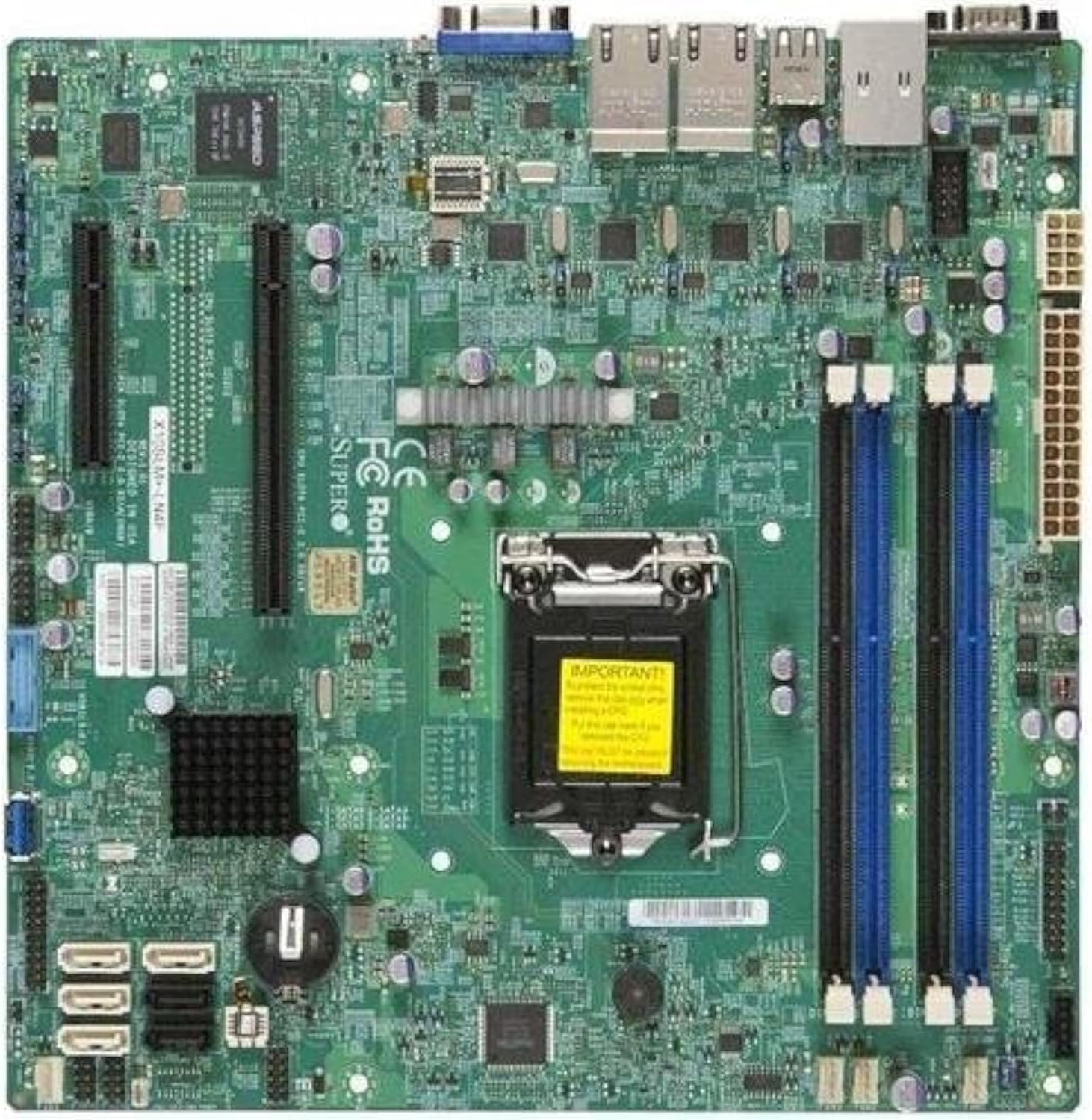
ചിത്രം 2.1: ടോപ്പ് ഡൗൺ view of the Supermicro X10SLM+-LN4F motherboard, showing the CPU socket, DIMM slots, PCIe slots, and various connectors.

ചിത്രം 2.2: കോണാകൃതിയിലുള്ളത് view of the motherboard, highlighting the layout of components and expansion slots.
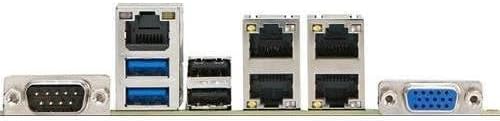
ചിത്രം 2.3: Rear I/O panel of the Supermicro X10SLM+-LN4F motherboard, featuring multiple LAN ports, USB ports, and serial ports.
3. സജ്ജീകരണവും ഇൻസ്റ്റാളേഷനും
ഇൻസ്റ്റാളേഷൻ ആരംഭിക്കുന്നതിന് മുമ്പ്, നിങ്ങളുടെ സിസ്റ്റം പവർ ഓഫ് ചെയ്തിട്ടുണ്ടെന്നും പവർ സ്രോതസ്സിൽ നിന്ന് വിച്ഛേദിക്കപ്പെട്ടിട്ടുണ്ടെന്നും ഉറപ്പാക്കുക. ഘടകങ്ങൾക്ക് ഇലക്ട്രോസ്റ്റാറ്റിക് ഡിസ്ചാർജ് (ESD) കേടുപാടുകൾ സംഭവിക്കുന്നത് തടയാൻ ഒരു ആന്റി-സ്റ്റാറ്റിക് റിസ്റ്റ് സ്ട്രാപ്പ് ധരിക്കുക.
3.1. സിപിയു ഇൻസ്റ്റലേഷൻ
- മദർബോർഡിൽ LGA1150 CPU സോക്കറ്റ് കണ്ടെത്തുക.
- ലോഡ് ലിവർ സൌമ്യമായി താഴേക്ക് തള്ളി വശത്തേക്ക് വലിച്ചുകൊണ്ട് സിപിയു സോക്കറ്റ് റിട്ടൻഷൻ ഫ്രെയിം തുറക്കുക.
- സിപിയുവിലെ ത്രികോണാകൃതിയിലുള്ള അടയാളം സോക്കറ്റിലെ അനുബന്ധ അടയാളവുമായി ശ്രദ്ധാപൂർവ്വം വിന്യസിക്കുക.
- നിർബന്ധിക്കാതെ സിപിയു സോക്കറ്റിൽ വയ്ക്കുക.
- Close the retention frame and secure it with the load lever.
- സിപിയുവിന്റെ ഇന്റഗ്രേറ്റഡ് ഹീറ്റ് സ്പ്രെഡറിൽ (IHS) തെർമൽ പേസ്റ്റിന്റെ നേർത്തതും തുല്യവുമായ ഒരു പാളി പുരട്ടുക.
- നിർമ്മാതാവിന്റെ നിർദ്ദേശങ്ങൾക്കനുസൃതമായി സിപിയു കൂളർ ഇൻസ്റ്റാൾ ചെയ്യുക.
3.2. മെമ്മറി (റാം) ഇൻസ്റ്റലേഷൻ
- Locate the four DDR3 DIMM slots. For optimal performance, refer to the motherboard's specific memory population guidelines, typically starting with slots closest to the CPU or specific colored slots for dual-channel configurations.
- DIMM സ്ലോട്ടിന്റെ രണ്ട് അറ്റങ്ങളിലുമുള്ള റിട്ടൻഷൻ ക്ലിപ്പുകൾ തുറക്കുക.
- DIMM സ്ലോട്ടിലെ കീ ഉപയോഗിച്ച് DDR3 മെമ്മറി മൊഡ്യൂളിലെ നോച്ച് വിന്യസിക്കുക.
- റിട്ടൻഷൻ ക്ലിപ്പുകൾ സ്ഥാപിക്കുന്നതുവരെ മെമ്മറി മൊഡ്യൂൾ സ്ലോട്ടിലേക്ക് ദൃഢമായി തിരുകുക.
- Ensure both clips are fully closed and the module is seated correctly.
3.3. സംഭരണ ഉപകരണ ഇൻസ്റ്റാളേഷൻ
Connect SATA storage devices (HDDs/SSDs) to the SATA ports on the motherboard using SATA data cables. Connect the power cables from your power supply unit (PSU) to the storage devices.
3.4. എക്സ്പാൻഷൻ കാർഡ് ഇൻസ്റ്റാളേഷൻ
This motherboard features PCI Express (PCIe) slots. To install an expansion card:
- Remove the corresponding slot cover from your chassis.
- Align the expansion card with the PCIe slot.
- Press down firmly until the card is fully seated in the slot.
- Secure the card with a screw or retention clip from your chassis.
3.5. പവർ കണക്ഷനുകൾ
- 24-പിൻ ATX പവർ കണക്റ്റർ: Connect the main 24-pin power cable from your PSU to the ATX power connector on the motherboard.
- 8-pin EPS/CPU Power Connector: Connect the 8-pin (or 4+4 pin) CPU power cable from your PSU to the EPS connector near the CPU socket.
3.6. ഫ്രണ്ട് പാനലും പിൻ I/O കണക്ഷനുകളും
- ഫ്രണ്ട് പാനൽ കണക്ടറുകൾ: Connect the power switch, reset switch, power LED, and HDD activity LED cables from your chassis to the corresponding pins on the motherboard's front panel header. Refer to the motherboard's silkscreen labels for correct orientation.
- USB തലക്കെട്ടുകൾ: Connect front panel USB ports to the onboard USB headers.
- ഓഡിയോ ഹെഡറുകൾ: Connect front panel audio jacks to the onboard audio header.
- പിൻ I/O പാനൽ: Connect peripherals such as keyboard, mouse, monitor (via VGA), and network cables (to the Gigabit Ethernet ports) to the rear I/O panel.
4. പ്രവർത്തന നിർദ്ദേശങ്ങൾ
4.1. പ്രാരംഭ പവർ ഓണും BIOS/UEFI സജ്ജീകരണവും
- After all components are installed and connected, connect the power cord to the PSU and turn on the power switch on the PSU.
- നിങ്ങളുടെ ചേസിസിലെ പവർ ബട്ടൺ അമർത്തുക.
- പവർ-ഓൺ സെൽഫ്-ടെസ്റ്റ് (POST) സമയത്ത്, ആവർത്തിച്ച് അമർത്തുക DEL or F2 key (or as indicated on screen) to enter the BIOS/UEFI setup utility.
- In the BIOS/UEFI, configure essential settings such as date and time, boot order, and enable/disable specific features as required for your operating system and hardware.
- മാറ്റങ്ങൾ സംരക്ഷിച്ച് BIOS/UEFI-യിൽ നിന്ന് പുറത്തുകടക്കുക. സിസ്റ്റം പുനരാരംഭിക്കും.
4.2. ഓപ്പറേറ്റിംഗ് സിസ്റ്റം ഇൻസ്റ്റലേഷൻ
To install an operating system (e.g., Windows, Linux, VMware ESXi):
- Insert the operating system installation media (USB drive or DVD) into the system.
- Boot from the installation media (you may need to adjust the boot order in BIOS/UEFI).
- Follow the on-screen prompts to install the operating system on your chosen storage device.
- After installation, install all necessary drivers for the motherboard components (chipset, LAN, VGA, etc.) from the Supermicro webസൈറ്റ് അല്ലെങ്കിൽ നൽകിയിരിക്കുന്ന ഡ്രൈവർ ഡിസ്ക്.
5. പരിപാലനം
നിങ്ങളുടെ മദർബോർഡിന്റെയും സിസ്റ്റത്തിന്റെയും ദീർഘായുസ്സും സ്ഥിരതയുള്ള പ്രവർത്തനവും ഉറപ്പാക്കാൻ പതിവ് അറ്റകുറ്റപ്പണികൾ സഹായിക്കുന്നു.
5.1. വൃത്തിയാക്കൽ
- Periodically clean dust from the motherboard and system components using compressed air. Ensure the system is powered off and unplugged before cleaning.
- ലിക്വിഡ് ക്ലീനറുകൾ നേരിട്ട് ഘടകങ്ങളിൽ ഉപയോഗിക്കുന്നത് ഒഴിവാക്കുക.
- Ensure proper airflow within the chassis by keeping fan vents clear.
5.2. ഫേംവെയറും ഡ്രൈവർ അപ്ഡേറ്റുകളും
- സൂപ്പർ മൈക്രോ പരിശോധിക്കുക website periodically for updated BIOS/UEFI firmware and drivers for your motherboard model.
- Follow the provided instructions carefully when updating firmware to avoid system instability.
5.3 പാരിസ്ഥിതിക പരിഗണനകൾ
- Operate the motherboard within recommended temperature and humidity ranges to prevent damage.
- Ensure adequate ventilation in the server chassis.
6. പ്രശ്നപരിഹാരം
നിങ്ങൾ നേരിട്ടേക്കാവുന്ന പൊതുവായ പ്രശ്നങ്ങൾക്കുള്ള പരിഹാരങ്ങൾ ഈ വിഭാഗം നൽകുന്നു.
6.1. പവർ ഇല്ല / പോസ്റ്റ് ഇല്ല (പവർ-ഓൺ സെൽഫ്-ടെസ്റ്റ്)
- Verify that the power supply unit (PSU) is connected correctly to the motherboard (24-pin ATX and 8-pin EPS connectors).
- Ensure the PSU is switched on and receiving power from the wall outlet.
- ഫ്രണ്ട് പാനൽ പവർ സ്വിച്ച് കേബിൾ മദർബോർഡ് ഹെഡറുമായി ശരിയായി ബന്ധിപ്പിച്ചിട്ടുണ്ടോയെന്ന് പരിശോധിക്കുക.
- Reseat the CPU, RAM modules, and any expansion cards.
- Try booting with only essential components (CPU, one RAM stick, CPU cooler) to isolate the issue.
- Listen for beep codes from the system speaker, which can indicate specific hardware failures. Refer to the Supermicro website for beep code interpretations.
6.2. ഡിസ്പ്ലേ പ്രശ്നങ്ങൾ
- Ensure the monitor is properly connected to the motherboard's VGA port.
- മോണിറ്റർ ഓൺ ചെയ്തിട്ടുണ്ടെന്നും ശരിയായ ഇൻപുട്ട് ഉറവിടത്തിലേക്ക് സജ്ജീകരിച്ചിട്ടുണ്ടെന്നും ഉറപ്പാക്കുക.
- If using a discrete graphics card, ensure it is properly seated and connected to power (if required).
6.3. ഓപ്പറേറ്റിംഗ് സിസ്റ്റം ബൂട്ട് ചെയ്യുന്നില്ല.
- Check the boot order in the BIOS/UEFI to ensure the correct storage device is prioritized.
- Verify that the operating system is installed correctly on the storage device.
- Ensure SATA data and power cables are securely connected to the storage device and motherboard.
7 സ്പെസിഫിക്കേഷനുകൾ
Below are the technical specifications for the Supermicro X10SLM+-LN4F motherboard:
| ഫീച്ചർ | വിശദാംശങ്ങൾ |
|---|---|
| ബ്രാൻഡ് | സൂപ്പർമൈക്രോ |
| മോഡലിൻ്റെ പേര് | X10SLM+-LN4F-B |
| സിപിയു സോക്കറ്റ് | LGA1150 |
| ചിപ്സെറ്റ് തരം | ഇൻ്റൽ C224 |
| റാം മെമ്മറി ടെക്നോളജി | DDR3 SDRAM |
| മെമ്മറി സ്പീഡ് | 1600 MHz |
| മെമ്മറി സ്റ്റോറേജ് കപ്പാസിറ്റി | 64 ജിബി വരെ |
| USB 2.0 പോർട്ടുകളുടെ എണ്ണം | 2 (പിൻഭാഗം I/O) |
| ഗ്രാഫിക്സ് കാർഡ് ഇൻ്റർഫേസ് | Integrated, PCI |
| അനുയോജ്യമായ ഉപകരണങ്ങൾ | സെർവർ |
| പ്ലാറ്റ്ഫോം | വിൻഡോസ് 10 |
| ഇനത്തിൻ്റെ ഭാരം | 5.8 പൗണ്ട് |
| ഉൽപ്പന്ന അളവുകൾ (LxWxH) | 10 x 10 x 2 ഇഞ്ച് |
| ആദ്യ തീയതി ലഭ്യമാണ് | ജൂൺ 4, 2013 |
Note: Specifications are subject to change without notice. For the most current information, please refer to the official Supermicro product page.
8. വാറൻ്റിയും പിന്തുണയും
For detailed warranty information, please refer to the warranty card included with your product or visit the official Supermicro website. Technical support is available through Supermicro's customer service channels, including their support portal, email, and phone. Please have your product model number (X10SLM+-LN4F) and serial number ready when contacting support.
For the latest drivers, BIOS updates, and additional documentation, please visit: www.supermicro.com