1. ആമുഖം
This manual provides detailed instructions for the Waveshare 2.13-inch E-Paper E-Ink Display Module (Model: Pico-ePaper-2.13). This module is designed for use with the Raspberry Pi Pico, offering a low-power, partial refresh display solution. E-paper displays are known for their paper-like effect and ability to retain content without continuous power.

Figure 1: Waveshare 2.13-inch E-Paper Display Module displaying exampലെ ഉള്ളടക്കം.
2 പ്രധാന സവിശേഷതകൾ
- ബാക്ക്ലൈറ്റ് ഇല്ല: The display retains its content indefinitely without power, making it highly energy-efficient.
- Ultra-Low Power Consumption: Power is primarily required only during content refresh cycles.
- SPI ഇന്റർഫേസ്: Utilizes a Serial Peripheral Interface, requiring minimal I/O pins for communication.
- Development Resources: Includes comprehensive development resources and a manual with Raspberry Pi Pico C/C++ and MicroPython exampലെസ്.
- Direct Raspberry Pi Pico Attachment: Features an onboard female pin header for direct connection to a Raspberry Pi Pico.

ചിത്രം 2: ഓവർview of the 2.13-inch E-Paper Module's features and specifications.
3 സാങ്കേതിക സവിശേഷതകൾ
| ഫീച്ചർ | മൂല്യം |
|---|---|
| ഓപ്പറേറ്റിംഗ് വോളിയംtage | 3.3V |
| ഗ്രേ സ്കെയിൽ | 2 |
| ഇൻ്റർഫേസ് | 3-വയർ SPI, 4-വയർ SPI |
| Partial Refresh Time | 0.3 സെ |
| രൂപരേഖ അളവുകൾ | 65.00 × 30.50 മിമി |
| Full Refresh Time | 2s |
| ഡിസ്പ്ലേ വലിപ്പം | 48.55 × 23.70 മിമി |
| Refresh Power | 26.4mW (തരം.) |
| ഡോട്ട് പിച്ച് | 0.194 × 0.194 മിമി |
| സ്റ്റാൻഡ്ബൈ കറൻ്റ് | <0.01uA (almost none) |
| റെസലൂഷൻ | 250×122 പിക്സലുകൾ |
| Viewing ആംഗിൾ | >170° |
| ഡിസ്പ്ലേ കളർ | കറുപ്പ്, വെള്ള |

Figure 3: Detailed technical specifications of the E-Paper module.

Figure 4: Outline dimensions of the 2.13-inch E-Paper module in millimeters.
4. സജ്ജീകരണവും കണക്ഷനും
The Waveshare Pico-ePaper-2.13 module is designed for direct attachment to a Raspberry Pi Pico. Follow these steps for proper setup:
- Prepare Raspberry Pi Pico: Ensure your Raspberry Pi Pico is ready for use, with necessary firmware or operating system installed if required for your project.
- Align and Connect: Carefully align the female pin header on the E-Paper module with the male pins on your Raspberry Pi Pico. Gently press them together until fully seated. Ensure correct orientation to prevent damage.
- വൈദ്യുതി വിതരണം: Once connected, power the Raspberry Pi Pico via its USB port or other designated power input. The E-Paper module draws power directly from the Pico.
- സോഫ്റ്റ്വെയർ സജ്ജീകരണം: Refer to the provided development resources for specific C/C++ or MicroPython examples to initialize and control the display. This typically involves configuring the SPI interface on the Pico.

Figure 5: Raspberry Pi Pico securely connected to the E-Paper module. Note: Raspberry Pi Pico is not included with the display module.
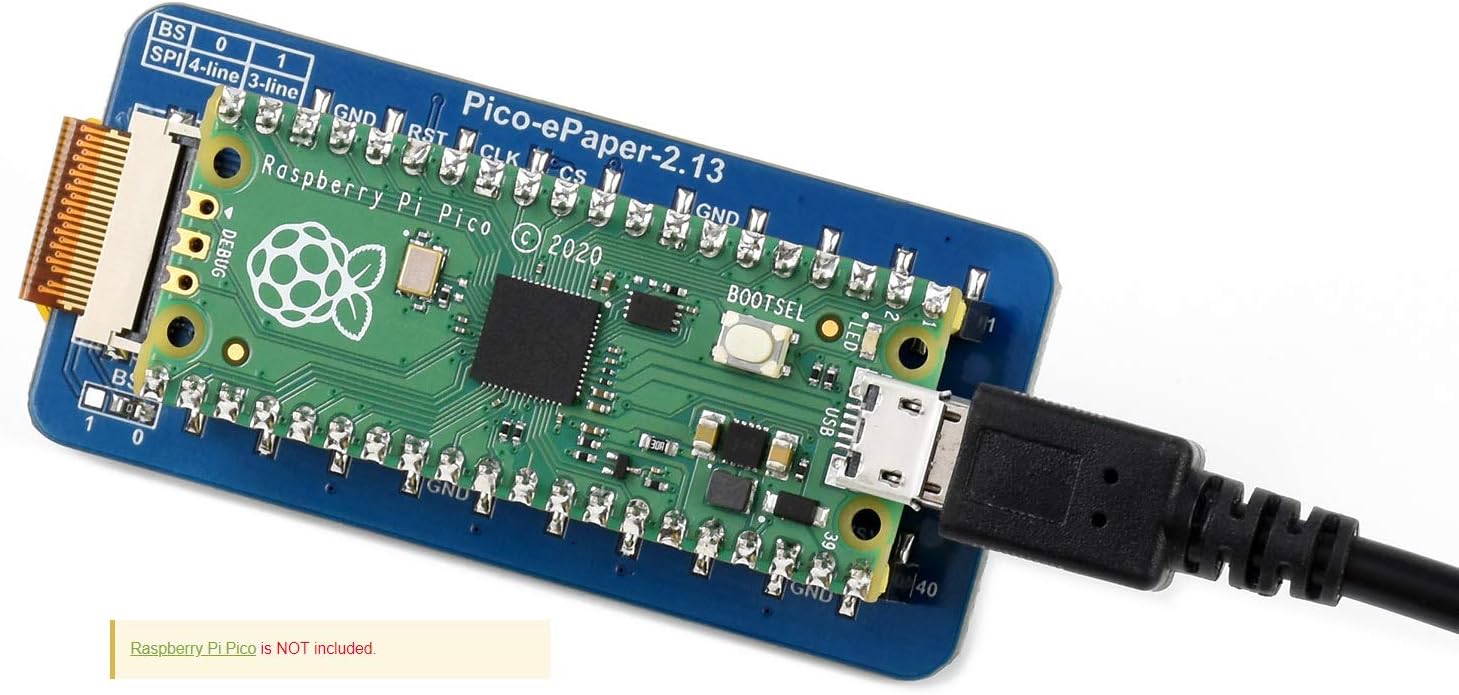
Figure 6: Raspberry Pi Pico with E-Paper module connected and powered via USB. Note: Raspberry Pi Pico is not included with the display module.
4.1 Pinout Definition
Understanding the pinout is crucial for advanced configurations or troubleshooting. The module uses an SPI interface.
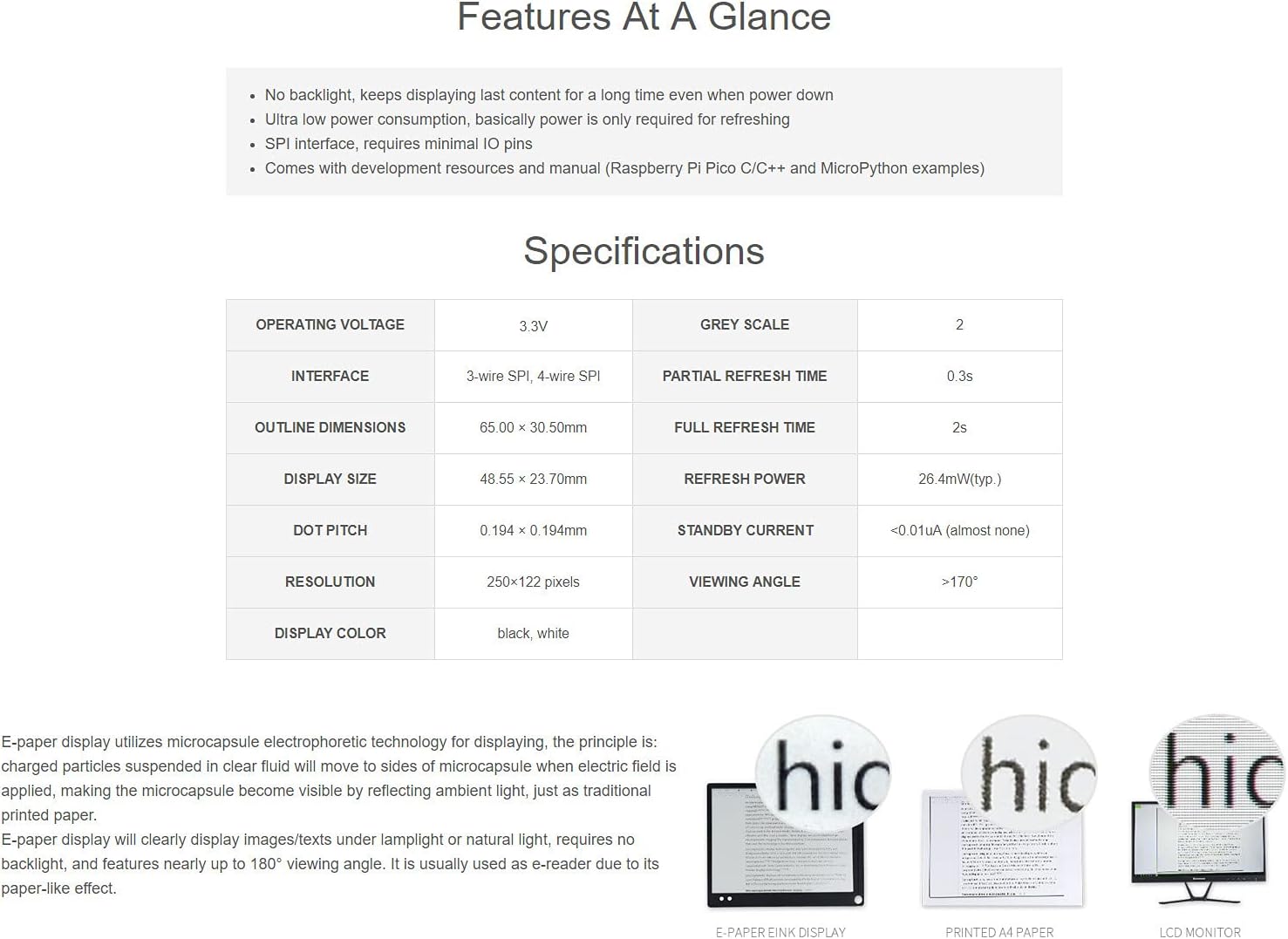
Figure 7: Pinout definition for the Waveshare Pico-ePaper-2.13 module, showing connections for SPI, power, and control pins.
| പിൻ പേര് | വിവരണം |
|---|---|
| വി.എസ്.വൈ.എസ് | പവർ ഇൻപുട്ട് |
| ജിഎൻഡി | ഗ്രൗണ്ട് |
| e-Paper_DC | ഡാറ്റ/കമാൻഡ് കൺട്രോൾ പിൻ (ഡാറ്റയ്ക്ക് ഉയർന്നത്, കമാൻഡിന് താഴ്ന്നത്) |
| e-Paper_CS | SPI chip select (low active) |
| e-Paper_CLK | SPI SCK പിൻ |
| e-Paper_DIN | SPI MOSI പിൻ |
| e-Paper_RST | External reset (low active) |
| e-Paper_BUSY | Busy status output |
5. ഓപ്പറേഷൻ ഗൈഡ്
Operating the Waveshare 2.13-inch E-Paper module involves programming your Raspberry Pi Pico to send display data via the SPI interface. Waveshare provides example code and libraries to facilitate this process.
5.1 Programming the Display
- Access Development Resources: Visit the official Waveshare product page or documentation portal for the Pico-ePaper-2.13 module. Here you will find example code in C/C++ and MicroPython.
- ലൈബ്രറികൾ ഇൻസ്റ്റാൾ ചെയ്യുക: Download and install any necessary libraries or drivers for your chosen programming language (e.g., MicroPython libraries for e-paper displays).
- ലോഡ് എക്സ്ample കോഡ്: Upload the provided example code to your Raspberry Pi Pico. These examples typically demonstrate basic functions like displaying text, images, or performing partial/full refreshes.
- ഉള്ളടക്കം ഇഷ്ടാനുസൃതമാക്കുക: Modify the example code to display your desired content. Pay attention to the display resolution (250x122 pixels) and color depth (black/white, 2 grey scales).
- Refresh Cycles: Understand the difference between full refresh (approx. 2 seconds) and partial refresh (approx. 0.3 seconds). Partial refresh is faster and consumes less power but may leave ghosting artifacts over time, requiring an occasional full refresh.
5.2 അപേക്ഷ മുൻampലെസ്
The E-Paper module is versatile and suitable for various applications due to its low power consumption and persistent display capabilities.

ചിത്രം 8: ഉദാamples of potential applications for the E-Paper module, such as price tags, shelf labels, and information displays in various environments.
6. പരിചരണവും പരിപാലനവും
To ensure the longevity and optimal performance of your Waveshare E-Paper display module, follow these maintenance guidelines:
- ശ്രദ്ധയോടെ കൈകാര്യം ചെയ്യുക: E-paper displays are delicate. Avoid applying excessive pressure or bending the module, especially the flexible FPC cable.
- വൃത്തിയാക്കൽ: Use a soft, dry, lint-free cloth to gently wipe the display surface. Do not use liquid cleaners, solvents, or abrasive materials, as these can damage the screen.
- പരിസ്ഥിതി വ്യവസ്ഥകൾ: Operate and store the module within its specified temperature and humidity ranges. Avoid extreme temperatures, direct sunlight for prolonged periods, and high humidity.
- ഊർജ്ജനിയന്ത്രണം: While the display retains content without power, ensure proper power-down sequences for the Raspberry Pi Pico to prevent data corruption or unexpected behavior.
- സ്റ്റാറ്റിക് ഇലക്ട്രിസിറ്റി: Take precautions against electrostatic discharge (ESD) when handling the module, as electronic components can be sensitive to static.
7. പ്രശ്നപരിഹാരം
If you encounter issues with your E-Paper display module, consider the following troubleshooting steps:
- Display Not Refreshing/Blank:
- Check all connections between the E-Paper module and the Raspberry Pi Pico. Ensure they are secure and correctly oriented.
- Verify the power supply to the Raspberry Pi Pico.
- Review your code for display initialization and refresh commands. Ensure the SPI interface is correctly configured.
- Confirm that the correct libraries for the Pico-ePaper-2.13 are installed and imported in your code.
- Ghosting or Image Retention:
- Ghosting is common with partial refreshes. Perform a full refresh periodically to clear the display completely.
- Ensure your refresh cycles are correctly implemented in your code.
- Incorrect Display Orientation:
- The display typically operates in portrait mode by default. If you require landscape orientation, check if your chosen library or example code supports rotation and how to implement it.
- Module Not Detected by Pico:
- Double-check the pin connections against the pinout diagram (Figure 7).
- Ensure the Raspberry Pi Pico is functioning correctly independently.
For further assistance, refer to the official Waveshare documentation and community forums.
8. പിന്തുണയും വാറണ്ടിയും
For technical support, additional resources, and the latest documentation, please visit the official Waveshare website. You can typically find detailed product wikis, example code, and community forums there.
നിർമ്മാതാവ്: വേവ്ഷെയർ
Webസൈറ്റ്: www.waveshare.com
Information regarding product warranty is typically available on the Waveshare website or included with your purchase documentation. Please retain your proof of purchase for warranty claims.


