1. ഉൽപ്പന്നം കഴിഞ്ഞുview
The GOYOJO GCTH-60 Concrete Rebound Hammer is a professional industrial-grade tool designed for non-destructive testing of concrete hardness and compressive strength. It provides consistent and reliable results within a range of 10-60 MPa (1450-8700 psi), making it suitable for various applications in construction, engineering acceptance, building inspection, and road and bridge assessment. This tool is engineered to comply with major international concrete testing standards, including ISO/DIS 8045, EN 12504-2, ASTM C805, DIN 1048-2, NFP 18-417, and JGJ/T 23-2001.

Figure 1: GOYOJO Concrete Rebound Hammer Tester, designed for 10-60 MPa (1450-8702 psi) range.
2 സുരക്ഷാ വിവരങ്ങൾ
- Always wear appropriate personal protective equipment (PPE), such as safety glasses, when operating the rebound hammer.
- Ensure the testing surface is stable and free from loose debris that could cause injury or affect measurement accuracy.
- Do not use the rebound hammer on surfaces other than concrete, cement, or masonry structures as specified. It is not suitable for brick walls or ceramic tiles.
- Keep hands and other body parts clear of the impact area during operation.
- Store the device in its carrying case when not in use to prevent damage and maintain calibration.
3. പാക്കേജ് ഉള്ളടക്കം
താഴെ കൊടുത്തിരിക്കുന്ന എല്ലാ ഇനങ്ങളും നിങ്ങളുടെ പാക്കേജിൽ ഉണ്ടെന്ന് ഉറപ്പാക്കുക:
- Concrete Rebound Hammer ×1
- Grinding Stone ×1
- Digital Depth Gauge ×1
- സ്ക്രൂഡ്രൈവർ × 2
- Spring ×2 (one installed, one spare)
- Rubber Ring ×1
- Dust Blowing Tool ×1
- കേസ് × 1
- Instruction Manual / Certificate of Conformity ×1

Figure 2: All components included in the GOYOJO Concrete Rebound Hammer kit.
4. സജ്ജീകരണം
- ഉപകരണം പരിശോധിക്കുക: Before each use, visually inspect the rebound hammer for any signs of damage or wear. Ensure the plunger moves freely and the indicator needle is at the zero mark when not in use.
- ഉപരിതലം തയ്യാറാക്കുക: The testing surface must be smooth, clean, and dry. Use the provided grinding stone to prepare rough or uneven areas. Remove any loose particles, paint, or coatings that might affect the rebound value.
- Familiarize with the Scale: The rebound hammer features an intuitive value display panel with a scale for reading the rebound number (R). A conversion chart is typically located on the device or in the manual to translate the R-value into estimated compressive strength (MPa or psi).
- Understand the Depth Gauge: The digital depth gauge can be used to measure carbonation depth, which is relevant for assessing concrete durability. Familiarize yourself with its operation for potential advanced testing.

Figure 3: Close-up of the rebound hammer's display panel, showing the rebound scale and conversion chart.
5. പ്രവർത്തന നിർദ്ദേശങ്ങൾ
Follow these steps to perform an accurate concrete strength test:
- Position the Hammer: Hold the rebound hammer firmly and press it perpendicularly against the prepared concrete surface. Ensure the plunger is fully retracted before impact.
- സമ്മർദ്ദം ചെലുത്തുക: Gradually increase pressure on the hammer until the internal spring mechanism triggers, causing the plunger to impact the surface and rebound. A click sound indicates the impact.
- Read the Rebound Number: After impact, the indicator needle will show a rebound number (R) on the scale. Press the button on the side of the hammer to lock the reading in place for accurate observation.
- Record and Reset: Record the rebound number. To reset the needle for the next test, press the plunger back into the hammer.
- Multiple Measurements: For reliable results, take at least 9-12 measurements within a 30x30 cm (12x12 inch) area, ensuring each impact point is at least 2.5 cm (1 inch) apart. Discard any readings that deviate significantly from the average.
- Calculate Average: Calculate the average of the valid rebound numbers.
- Convert to Compressive Strength: Use the conversion chart provided on the hammer or in the manual to convert the average rebound number into the estimated compressive strength (MPa or psi). Consider the angle of impact if testing on vertical or inclined surfaces, as this may require correction factors.
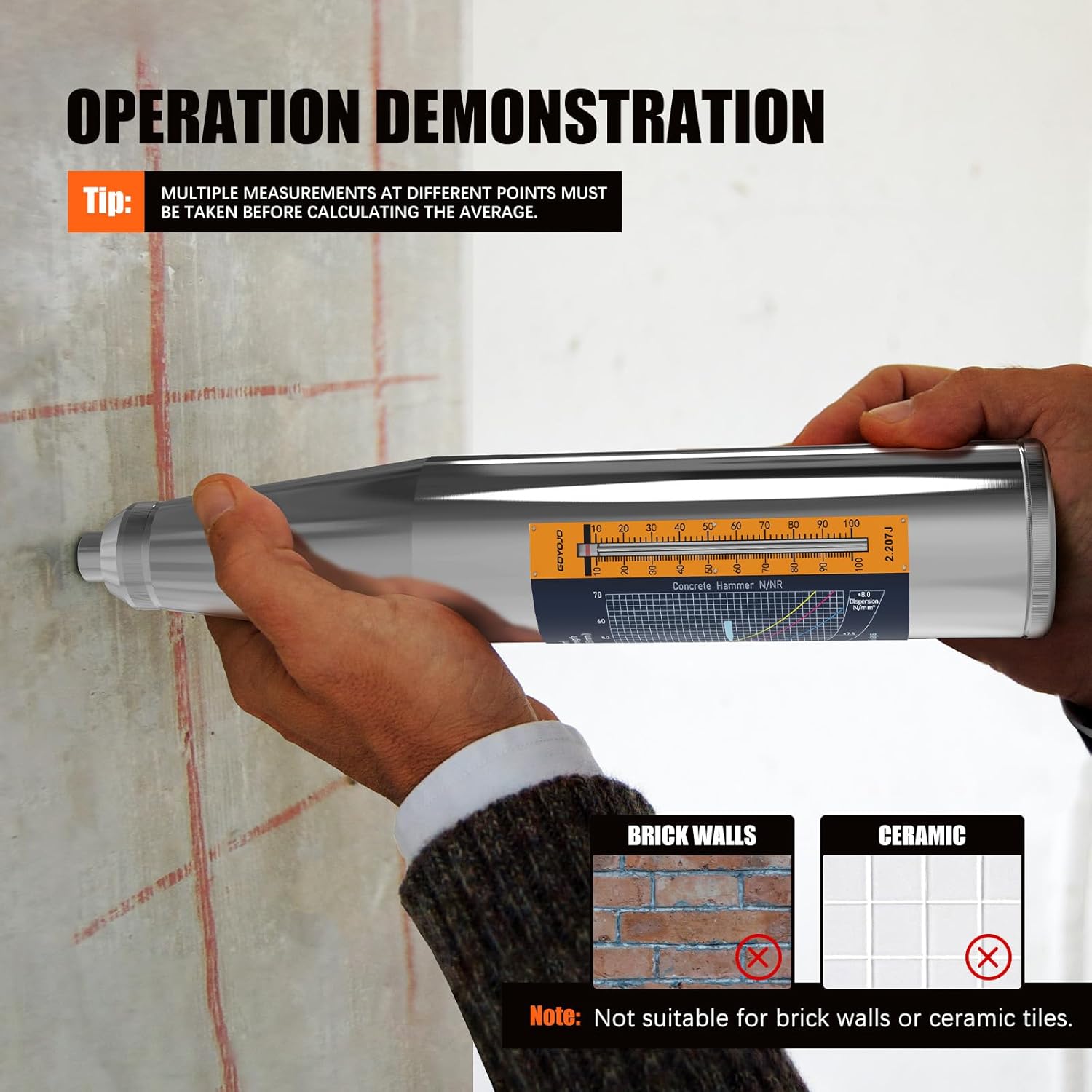
Figure 4: Demonstration of proper hammer positioning and impact. Note: Not suitable for brick walls or ceramic tiles.

ചിത്രം 5: ഉദാample of a Concrete Test Hammer Chart for converting rebound values to estimated compressive strength.
6. പരിപാലനം
Proper maintenance ensures the longevity and accuracy of your GOYOJO Concrete Rebound Hammer:
- വൃത്തിയാക്കൽ: After each use, clean the plunger tip and the main body of the hammer with a soft, dry cloth. Use the provided dust blowing tool to remove any concrete dust from internal mechanisms.
- സംഭരണം: Store the rebound hammer and all accessories in the provided carrying case in a dry, clean environment, away from extreme temperatures and direct sunlight.
- സ്പ്രിംഗ് മാറ്റിസ്ഥാപിക്കൽ: The hammer includes replacement springs. If you notice a significant change in rebound consistency or suspect spring fatigue, replace the internal spring according to the instructions in the detailed manual.
- ലൂബ്രിക്കേഷൻ: Periodically apply a small amount of light machine oil to the plunger mechanism to ensure smooth operation. Refer to the detailed manual for specific lubrication points.
- കാലിബ്രേഷൻ: While designed for high accuracy, periodic calibration by a certified laboratory is recommended to ensure continued precision, especially for critical applications.

ചിത്രം 6: View of the high elastic spring, designed for durability and consistent test performance.
7. പ്രശ്നപരിഹാരം
If you encounter issues with your GOYOJO Concrete Rebound Hammer, consider the following:
- പൊരുത്തമില്ലാത്ത വായനകൾ:
- Ensure the testing surface is properly prepared (smooth, clean, dry).
- Verify the hammer is held perpendicularly to the surface.
- Check for any debris in the plunger mechanism.
- Consider if the internal spring needs replacement due to fatigue.
- Plunger Not Rebounding:
- Check for obstructions or damage to the plunger.
- Ensure sufficient pressure is applied to trigger the mechanism.
- The internal spring might be jammed or broken; inspect and replace if necessary.
- Needle Not Holding Reading:
- Ensure the hold button is functioning correctly.
- Check for any internal mechanism issues preventing the needle from locking.
For further assistance, refer to the detailed instruction manual or contact GOYOJO customer support.
8 സ്പെസിഫിക്കേഷനുകൾ
| ഫീച്ചർ | സ്പെസിഫിക്കേഷൻ |
|---|---|
| ബ്രാൻഡ് | ഗോയോജോ |
| മോഡൽ നമ്പർ | GCTH-60 |
| അളക്കൽ ശ്രേണി | 10-60 MPa (1450-8700 psi) |
| അളക്കൽ കൃത്യത | ±1% |
| ഹെഡ് മെറ്റീരിയൽ | സ്റ്റെയിൻലെസ്സ് സ്റ്റീൽ |
| ഹാൻഡിൽ മെറ്റീരിയൽ | സ്റ്റെയിൻലെസ്സ് സ്റ്റീൽ |
| ഉൽപ്പന്ന അളവുകൾ | 11.1"L x 2.17"W x 2.17"Th |
| ഇനത്തിൻ്റെ ഭാരം | 2.31 പൗണ്ട് |
| ഉൾപ്പെടുത്തിയ ഘടകങ്ങൾ | Concrete Rebound Hammer ×1, Grinding Stone ×1, Digital Depth Gauge ×1, Screwdriver ×2, Spring ×2, Rubber Ring ×1, Dust Blowing Tool ×1, Carrying Case ×1 |
| ബാറ്ററികൾ ആവശ്യമുണ്ടോ? | ഇല്ല |
9. വാറൻ്റിയും പിന്തുണയും
The GOYOJO Concrete Rebound Hammer is backed by 24/7 customer support and lifetime technical assistance. For any questions, concerns, or technical issues, please contact GOYOJO customer service through the contact information provided in your product packaging or on the official GOYOJO webസൈറ്റ്.


